
How to Find a Conveyancing Solicitor Step-by-Step Guide for Your Property Move
Buying or selling a property is one of the biggest financial decisions most people make. One of the key pieces of that process is appointing a reliable legal professional, often a solicitor or conveyancer, who will handle the legal side of transferring ownership. This article shows you how to find a conveyancing solicitor the right way: what to check, how to compare, and how to pick someone you can trust and affordably engage.
Why it matters to find the right conveyancing solicitor
Choosing the right conveyancing solicitor is important because this person will be responsible for essential legal tasks: reviewing contracts, performing searches, liaising with lenders and the land registry, and making sure the transfer of ownership occurs correctly. If things go wrong, delays, missing information, and hidden costs can cost you financially and emotionally.
A good conveyancing solicitor not only protects your interests but also keeps the process efficient and transparent. When you know how to find a conveyancing solicitor, you’ll have more confidence that your property move will proceed smoothly, with fewer last-minute issues and better cost control.
What exactly is a conveyancing solicitor, and why do you need one
A conveyancing solicitor (or a licensed conveyancer) is a legal professional regulated by bodies like the Solicitors Regulation Authority (SRA) or the Council for Licensed Conveyancers (CLC). They specialize in property law and handle the legal transfer of property ownership..
You need one because when you buy or sell a property, there are many legal and administrative tasks: ensuring the title is clear, drafting contracts, searches and surveys, paying stamp duty, registering the new ownership, liaising with mortgage lenders, and more. Having a professional ensures those tasks are done correctly, reducing the risk of error or unexpected costs.
How to start your search: key steps
Identify your requirements
First, figure out what type of transaction you’re doing: purchase, sale, remortgage, or transfer of equity. The complexity of your transaction affects the choice of a conveyancing solicitor. If you’re buying a standard freehold house, you might need different criteria than if you’re dealing with leasehold, new build, or overseas property.
Use trusted directories and regulatory checks.
A reliable way to begin is to use directories like the The Law Society “Find a Solicitor service, which allows you to search by area and type of legal service. Similarly, you can check if a firm is regulated via the SRA register. sra.org.uk These steps ensure the solicitor is properly authorized and regulated.
Ask for quotes and compare.
Once you have a few candidates, request quotes and compare them. Ask what the fee covers, whether searches and disbursements are included, how communication works, and he expected timeframe. Comparing leads to better service and can save costs.
What to look for in a conveyancing solicitor
Accreditation, regulation, and lender panel status
Verify that the firm is accredited and regulated. This means they adhere to professional standards and oversight. For example, the CLC provides a “Find a Licensed Conveyancer” tool. Also, for mortgage-related transactions, ensure the solicitor is on your lender panel; a non-panel firm might incur extra costs.
Transparent fees and inclusive services
The quote should clearly state what is included: the legal fee, disbursements (searches, land registry fees, bank transfer fees), and whether the fee is fixed or subject to change. A vague “price from” quote can hide costs later.
Communication, processes, and technology
Check how the solicitor communicates: Do they provide a client portal to track progress? Can you upload documents online? Are updates regular? Modern conveyancing solicitors often use digital tools to streamline the process and reduce delay, which benefits you.
Reputation and reviews
Look for reviews or feedback from previous clients. Sites such as review directories or property-law-specific listings can help. For example, there are rankings of housing and property solicitors with value-for-money ratings.
Five Real-World Platforms or Services to Help You Find a Conveyancing Solicitor
Here are five tools/services you can use to find a conveyancing solicitor, and each is described in detail so you see the benefit, how to use them, what problem they solve, and how to instruct them.
1. The Law Society – “Find a Solicitor” Service

Description: The Law Society offers a free directory service in England & Wales where you can search for a registered solicitor by location, legal specialism, or accreditation.
Benefits:
-
You access a verified list of regulated solicitors (via The Law Society) so you know they’re bona fide.
-
You can filter by property law/conveyancing specialism and location.
Use case/problem solved: If you’re unsure where to start, this directory gives you a reliable list of potential solicitors solving the “I don’t know any good lawyer” problem.
Why you need it: It reduces the risk of picking an unregulated or inexperienced firm.
How & where to use: Go to the directory, enter your postcode and legal service type (“conveyancing”), review the results, and contact 2-3 to request quotes.
Conveyancing Quote Comparison
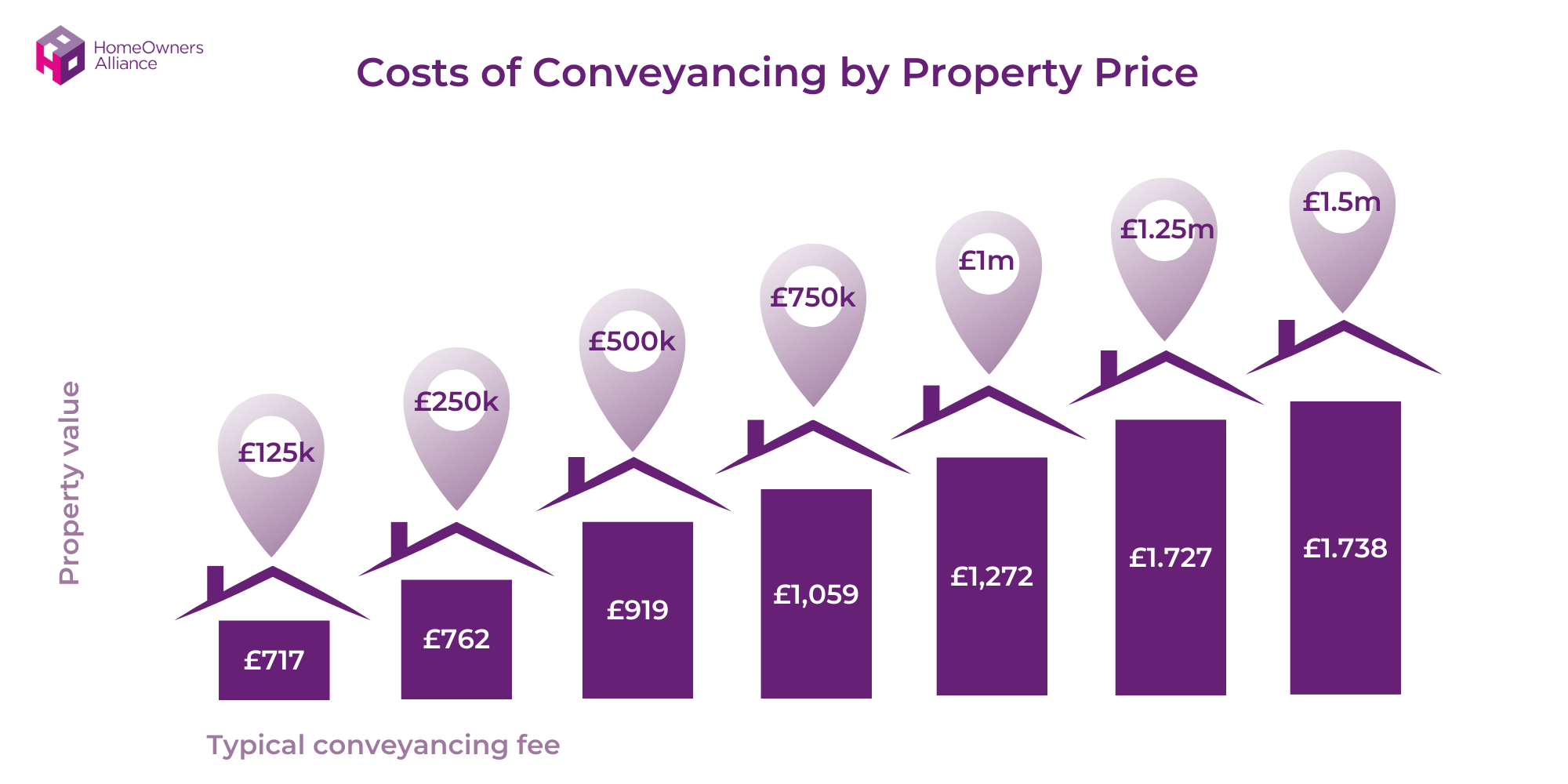
Description: The HomeOwners Alliance offers a platform to compare conveyancing solicitor quotes through a panel of regulated firms.
Benefits:
-
You receive multiple quotes quickly, which increases your chance of finding a good match and value.
-
Panel firms are reviewed and regulated, providing reassurance on service.
Use case/problem solved: If you want to compare fees and not just pick the first solicitor recommended by your estate agent (which may not be the best value), this service gives you a choice.
Why you need it: It forces comparison, avoids overpaying, and lets you see market options.
How & where to use: Visit the website, fill in details of your move (sale/purchase/remortgage), view quotes, choose a solicitor, and instruct them.
Compare Conveyancing Quotes Now
3. Reallymoving – Conveyancing Solicitor Search + Quotes

Description: Reallymoving offers a platform for comparing conveyancing solicitors, obtaining instant quotes, reading reviews, and selecting providers.
Benefits:
-
Instant quotes from multiple firms make the process faster.
-
Transparent breakdown of conveyancing fees, disbursements, ts, and service features.
Use case/problem solved: If you’re in the early stage of a property move and want to explore options rather than relying solely on personal networks, Reallymoving gives you a broader view.
Why you need it: It helps you make an informed choice with less time and effort.
How & where to use: Visit the site, select the conveyancing service type, enter property details, compare quotes and reviews, choose and instruct.
Get Conveyancing Quotes via Reallymoving
4. Conveyancing Calculator / Comparison Platforms
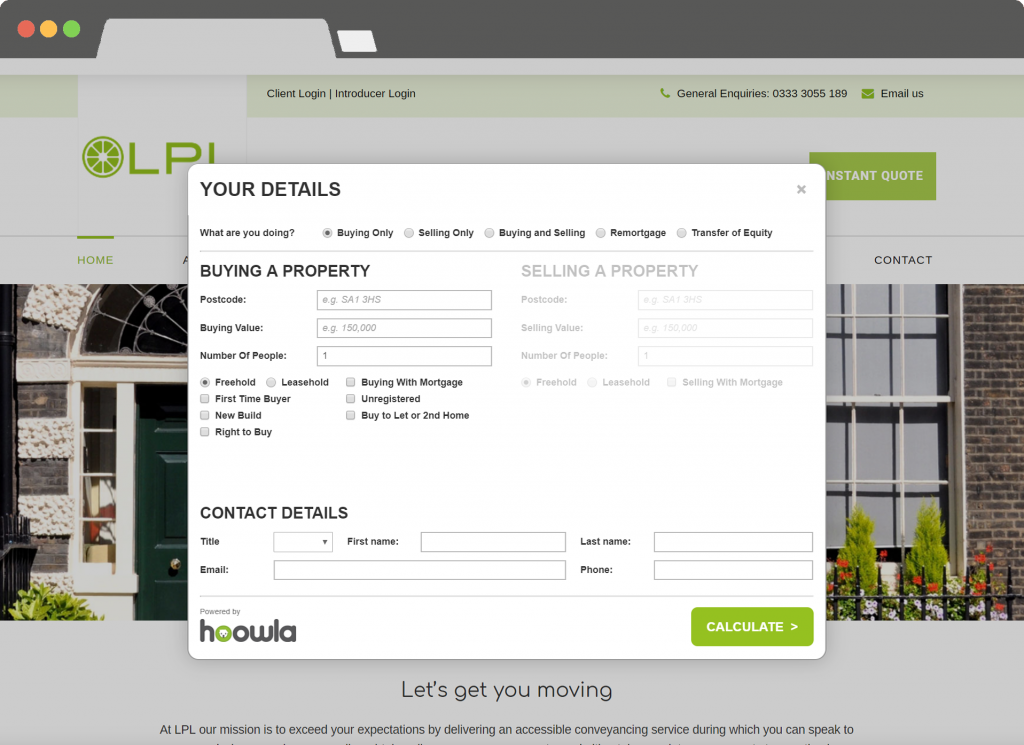
Description: Online, like a conveyancing calculator, lets you estimate likely costs and compare solicitor fees for property transactions.
Benefits:
-
Gives you a benchmark of what typical fees are in your area and transaction type.
-
Helps you identify if a quote is unusually high or low.
Use case/problem solved: If a solicitor’s quote looks suspiciously cheap (or expensive), you can use a calculator to check usual ranges and guide your negotiations.
Why you need it: It supports your decision-making, protects against overpaying or under-budgeting.
How & where to use: Find a calculator site, input your property details, see typical fee ranges, then compare actual quotes you receive.
5. Local Solicitor Firm Listings & Reviews

Description: Platforms that list law firms specializing in housing & property law provide user reviews and value ratings (such as ReviewSolicitors).
Benefits:
-
Allows you to find a solicitor with strong local or niche expertise (very useful for unusual property types).
-
Offers insight into real client experiences, value for money, and reputation.
Use case/problem solved: If your transaction involves a complex scenario (leasehold, shared ownership, overseas owner, multiple charges), you might prefer a firm highly rated for value and experience rather than the cheapest general provider.
Why you need it: Quality and fit matter, not just cost; local specialist firms can avoid hidden complications and cost more time & money if they get it wrong.
How & where to use: Visit review directories, search for housing/property solicitors in your region, read reviews, shortlist 2-3 firms, request quotes, and ask about their experience.
The Key Benefits of Using These Tools and Services
Faster, more informed decision-making
With online comparisons and directories, you avoid guessing. You get multiple qualified solicitor options, quotes, reviews, and process details quickly. That means less time and more control as you find a conveyancing solicitor.
Better value and transparency
By comparing quotes and checking fee inclusions, you can secure better value and avoid hidden charges. These tools help you benchmark, negotiate, and choose the best fit for your budget and requirements.
Reduced risk through regulation & verification
Using regulated directories (Law Society, SRA, CLC) ensures the solicitor you pick meets professional standards. Tools that highlight accreditation review ratings help you avoid inexperienced or untrustworthy providers.
Convenience and suitability
These services allow you to pick solicitors suited to your transaction type, region, and budget, ensuring that you’re not overpaying for mismatched expertise or paying more for unnecessary extras.
What Problem Can You Solve by Finding the Right Conveyancing Solicitor
Problem: Overpaying for legal services
Without comparison or awareness of typical fee ranges, you might end up paying more than necessary for conveyancing. By using quote services and directories, you get visibility into market rates and can choose wisely.
Problem: Hidden costs and surprises
Transactions can go off-track if your solicitor misses steps or is experienced, and this can cost you time and money. By selecting a solicitor who is regulated, has clear fee breakdowns, and whom you feel confident about, you reduce risk.
Problem: Poor communication and delays
A solicitor who doesn’t keep you updated, uses archaic processes, or has high volumes might delay your move. Having compared providers, checked reviews, and found one with good communication (portal, online updates) helps ensure a smoother process.
Problem: Mismatched expertise
If you pick a general firm blindly, you might find they lack experience in your property type (leasehold, new build, shared ownership). Using directories and review tools helps you match your case with a firm experienced in that scenario.
How to Instruct a Solicitor Once You’ve Found The Right One
-
Shortlist 2-3 solicitors based on quote, service, reviews, and suitability.
-
Contact them to clarify: process, fees, inclusions, estimated timeframe, and communication method.
-
Ask for a written terms of business or engagement that lists what they will do, how and when they will invoice, and how they handle unforeseen issues.
-
Provide required documents promptly (ID, proof of funds, property information, mortgage details) and communicate expectations about the timeline.
-
Use any online portal or document upload system they provide; this helps keep the process efficient.
-
Track progress, ask for updates, and refer back to the initial agreement if things deviate significantly.
Final Thoughts
Finding the right conveyancing solicitor is a crucial step in your property journey it impacts cost, risk, speed, and peace of mind. By using regulatory directories, comparison quote tools, review platforms, and asking the right questions, you increase your chances of securing someone who offers good value, transparency, and expertise.
When you follow the steps laid out in this article, identify your needs, compare providers, track pro,, track pro, and go beyond “hoping for a good solicitor” to actively choosing one you can afford.
Frequently Asked Questions
Q1: Do I have to use a solicitor for conveyancing, or can I do it myself?
A1: It’s technically possible to do conveyancing yourself, but when you’re using a mortgage or dealing with unfamiliar legal issues, it’s strongly advised to use a regulated soliciting professional. The government guidance explains that a legal professional can handle the work of transferring ownership and can advise on each stage.
Q2: How much should I expect to pay for a conveyancing solicitor?
A2: Costs vary by property type, location, complexity, nd the structure. For example, in London n typical legal costs might fall in the £1,000-£1,400 range (excluding disbursements). Reviewing multiple quotes helps you benchmark and avoid overpaying.
Q3: What happens if I pick a solicitor who is not on my lender’s panel?
A3: If you are getting a mortgage, the lender often requires a conveyancer or solicitor who is on their approved panel. If you choose one who isn’t, you may incur extra costs such as a “bank’s representation fee” and face delays. So always check the panel status when buying.