
Real Estate Closing Agent The Expert Who Ensures Your Property Deal Closes Smoothly
Buying or selling property is exciting, but the final step can be stressful. That step is called the closing. To make sure everything goes as planned, you need a real estate closing agent. This professional manages paperwork, funds, and legal requirements. As a result, your transaction becomes safe, smooth, and accurate.
A closing agent works as the link between buyer, seller, and lender. They confirm that all contracts are followed, funds are secure, and documents are properly signed. Without one, your closing could face errors, delays, or even financial risk.
What a Real Estate Closing Agent Does
A closing agent’s role begins long before the final signing day. First, they collect documents from all parties involved. Then, they review the title report to confirm ownership and clear any issues such as unpaid taxes or liens.
During the closing, the agent oversees document signing and ensures that both funds and property transfer correctly. After that, they record the deed with the local registry. Finally, they send copies of all completed paperwork to everyone involved.
In short, the agent handles the process from start to finish so that your property deal is legally complete and financially safe.
Why Hiring a Real Estate Closing Agent Matters
Legal Accuracy and Risk Prevention
Property laws and mortgage requirements are complex. However, a closing agent understands these details and ensures compliance. They review every document to make sure it meets legal standards. Therefore, you can avoid ownership issues or contract disputes later.
Faster and Easier Closings
Real estate closings can involve dozens of people: buyers, sellers, lenders, and attorneys. A closing agent coordinates them all. Consequently, the process becomes faster and more organized. With expert help, you save time and reduce stress.
Secure Fund Handling
In addition, the agent manages escrow accounts. This means they hold funds until all conditions are satisfied. As a result, both buyer and seller are protected from premature or incorrect transfers.
Reliable Record Keeping
After the closing is complete, the agent records the deed and provides certified copies. Therefore, your ownership is officially recognized and properly stored for future reference.
Real-World Services Offered by Closing Agents
Let’s explore five real-world service packages you can expect from a professional real estate closing agent.
1. Residential Property Closing Service

Description:
This service focuses on typical home purchases or sales. The agent reviews title reports, manages escrow funds, prepares documents, and records the deed.
Benefits:
It ensures that your home sale or purchase is legally valid and financially secure. Moreover, you avoid last-minute surprises that can delay your move.
Use Case:
For example, a first-time buyer hires a closing agent. The agent finds an old lien, works with the title company to clear it, and finalizes the closing on time. As a result, the buyer receives the keys confidently.
Why You Need It:
Without this service, errors could delay your ownership or cause disputes later.
How to Buy:
You can hire one directly or through your real estate agent.
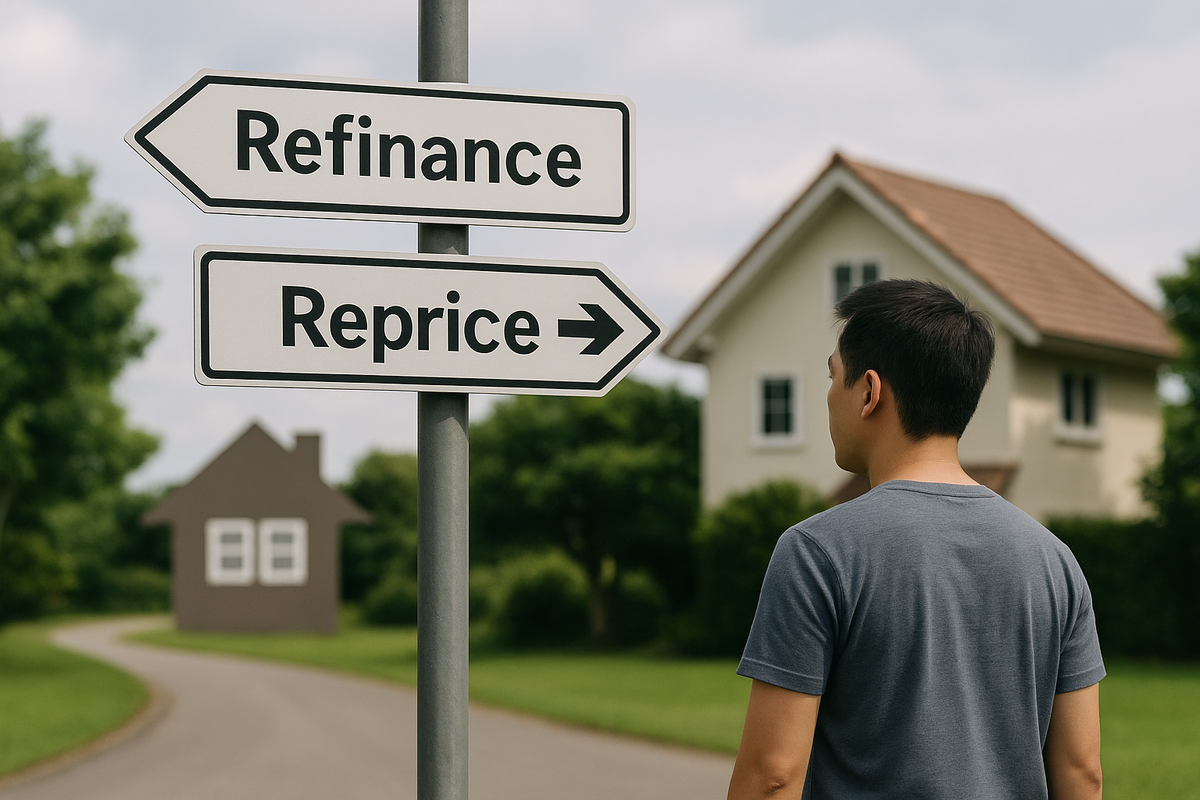
2. Refinance Closing Coordination
Description:
When you refinance, the closing agent coordinates the release of your old mortgage and records the new one. They also manage the payout of existing loans.
Benefits:
This service ensures your refinance transaction is recorded correctly and efficiently. Furthermore, it prevents errors that could affect your new loan.
Use Case:
Suppose a homeowner refinances to get a lower interest rate. The agent manages all documents and confirms that old loans are cleared. Consequently, the process runs smoothly without risk.
Why You Need It:
Inaccurate refinancing can cause double payments or title confusion.
How to Buy:
Your lender can recommend a closing agent, or you can choose one independently.
3. Commercial Real Estate Closing

Description:
This service is ideal for large property deals such as office buildings, apartment complexes, or land developments. The closing agent handles multiple title reports, lease assignments, and complex escrow requirements.
Benefits:
It simplifies large-scale deals by managing all legal and financial aspects. Therefore, investors can focus on the business side rather than the paperwork.
Use Case:
For instance, a company buys a commercial warehouse. The closing agent coordinates lender requirements, clears liens, and records documents across multiple jurisdictions. The result is a seamless transfer.
Why You Need It:
Commercial transactions carry more risk and require expert coordination.
How to Buy:
Choose a closing agent experienced in commercial property closings.
4. Remote or Virtual Closing Service

Description:
Today, many closing agents offer virtual services. You can sign documents online, transfer funds securely, and close the deal without being physically present.
Benefits:
This is perfect for clients living in another city or country. It saves time, reduces travel costs, and speeds up the transaction.
Use Case:
Imagine buying property while living abroad. The closing agent sets up secure digital signatures and manages wire transfers. As a result, you close the deal remotely without delays.
Why You Need It:
With remote options, you can handle property deals from anywhere safely.
How to Buy:
Ask your closing agent if they provide e-signature or online closing services.
Post-Closing Management and Support
Description:
After closing, the agent handles final tasks such as sending recorded deeds, issuing title insurance, and managing tax forms.
Benefits:
You receive peace of mind knowing that every document is complete and securely filed. Additionally, this service protects you from future administrative issues.
Use Case:
For example, a seller finishes a transaction and later needs proof of payment. The closing agent provides official documentation immediately.
Why You Need It:
This service ensures your deal is fully closed with no loose ends.
How to Buy:
Ask if your closing agent offers post-closing support as part of the package.
Common Problems Solved by Closing Agents
Working with a closing agent can prevent several issues that commonly occur during property deals:
-
Title Errors: They verify ownership and resolve disputes before closing.
-
Unreleased Liens: Agents check for debts that could follow the new owner.
-
Payment Mistakes: Escrow management ensures funds are transferred correctly.
-
Delayed Closings: Proper coordination helps keep deadlines on track.
-
Improper Recording: Agents record all deeds and documents accurately.
Because of these protections, hiring a closing agent isn’t just convenient; it’s essential for a safe transaction.
How to Choose and Hire a Real Estate Closing Agent
When selecting a closing agent, there are a few simple but important steps to follow.
1. Check Credentials and Experience
Always verify that your agent is licensed and has experience with your type of property. For example, some agents specialize in residential closings, while others handle commercial ones.
2. Compare Fees and Services
Different agents charge differently. Therefore, ask for a detailed quote. Understand what’s included: title review, escrow management, or document recording.
3. Evaluate Communication and Technology
Look for agents who use secure technology for e-signatures and online fund tracking. Good communication is also essential, especially for remote deals.
4. Ask for References
In addition, request testimonials or client feedback. Positive reviews often reflect consistent, professional service.
5. Hire Early
Engage a closing agent soon after signing your purchase contract. That way, they have time to prepare title checks, escrow accounts, and document reviews.
Why It’s Worth Hiring a Real Estate Closing Agent
Property transactions are among the largest financial decisions you’ll make. Therefore, professional help matters. A closing agent safeguards your deal from start to finish.
They manage everything from title reviews to escrow coordination so you can focus on moving into your new property. In addition, they protect your funds, verify compliance, and deliver legal proof of ownership.
In short, hiring a closing agent saves time, reduces risk, and ensures peace of mind.
Frequently Asked Questions
Q1: Who hires the closing agent?
Usually, the buyer or the lender chooses the closing agent. However, local laws or customs may vary.
Q2: Can I choose my own closing agent?
Yes, you can. In most cases, you are free to select the closing agent that best fits your needs.
Q3: How long does a closing usually take?
The timeline depends on the transaction’s complexity. On average, most closings take between 30 and 45 days from contract signing.
Conclusion
A real estate closing agent is the key to a safe and efficient property transaction. They handle all legal, financial, and technical details so you can relax and focus on your new investment.
By choosing the right professional, you avoid costly mistakes and gain full confidence that your deal is legally complete. Whether buying, selling, or refinancing, make sure a trusted closing agent is by your side because peace of mind is priceless.