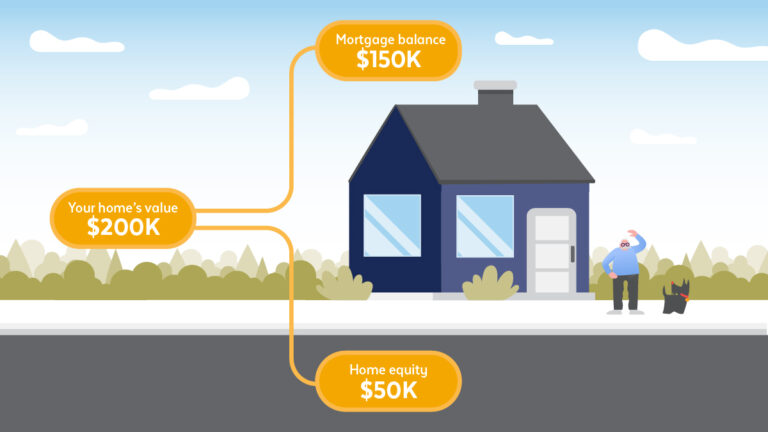
Valuation Services Companies – How to Choose the Right Firm for Reliable Asset & Business Valuations
Every organization, investor, or asset-owner at one time or another needs to know “what is this worth?” Whether you’re selling a business, raising capital, dealing with tax or reporting obligations, or managing intangible assets, the answer begins with using the right service provider. Valuation services companies specialize in objectively determining the value of businesses, real estate, intangible assets, equipment, and more. In this article, you will learn what valuation firms do, why they matter, how to identify and engage them, featured providers (as “products”), the benefits of each, detailed use-cases, how to buy their services, and key FAQs to guide your decision.
What Valuation Services Companies Do and Why They Exist
Valuation services companies serve as expert third parties that apply accepted methodologies to assess the value of assets, businesses, or rights. They exist because in many transactions, mergers & acquisitions (M&A), financial reporting, tax, litigation, and investment appraisal, stakeholders require a credible, defendable valuation. Without such expertise, decisions may be made on guesswork or incomplete information, exposing risk.
These firms bring together professionals trained in accounting, finance, economics, and industry-specific issues. They analyze historical performance, forecast future cash flows, evaluate market comparables, assess intangible assets, interpret regulatory/tax framework, and produce reports that stand up to scrutiny by auditors, regulators, courts, or investors. The outcome of the engagement is a defensible value opinion, which enables clearer decision-making. Whether you seek to buy or sell a business, raise capital, quantify intangible asset value, or submit a fair-value opinion for reporting, using a valuation services company gives credibility and clarity.
Key Benefits of Engaging a Professional Valuation Services Firm

Credibility and Defensibility in Decision-Making
One of the primary benefits is that a valuation from a recognized firm provides a documented, professional basis for value. For instance, when negotiating a business sale, you’ll have a report from a specialist that brings weight. If the valuation is to be used in an audit, tax context, or litigation, that credibility is invaluable. Stakeholders trust numbers backed by methodology.
Insight Beyond Just a Number
A good valuation services firm not only gives a value figure but also provides insight into what drives value. They may highlight risks in the business model, intangible assets undervalued in your portfolio, market trends that threaten future value, or opportunities you’ve not exploited. This strategic dimension helps you manage value proactively, not just measure it.
Access to Capital & Better Terms
When raising debt or equity or negotiating a sale, presenting a third-party valuation often improves your position. Lenders or investors perceive lower risk, and you may secure better terms or higher leverage. The valuation helps quantify how much you can ask for or borrow against and gives confidence to counterparties.
Risk Reduction and Compliance
Poor valuation leads to overpaying, underborrowing, strategic missteps, or regulatory issues. Using a professional firm helps you avoid such pitfalls. And if you’re in a regulated environment (financial reporting, tax, legal,l), you’ll benefit from the firm’s knowledge of regulatory requirements, standards, and scrutiny.
How Valuation Services Firms Operate: Methodology & Process

Process Overview
When you engage a valuation services company, the process typically involves:
-
Scoping the engagement: Defining asset type, purpose (sale, financing, audit), geographic scope, and expected deliverables.
-
Gathering data: Historical financials, asset registers, contracts, market data, industry comparables, projections.
-
Selecting methodology, depending on asset type, one or more valuation approaches will apply: discounted cash flow (DCF), market multiples, cost/asset-based approaches, royalty relief for intangibles, among others.
-
Analysis &modeling The firm will build models, apply assumptions, stress tests, identify key value drivers, and risks.
-
Draft report & review. Preliminary findings are shared, feedback incorporated, final report is produced with a narrative, assumptions, conclusions, and sensitivity analysis.
-
Delivery & use: You receive the report to present to investors, auditors, tax authorities, or use internally for strategic decisions.
Common Methods & Considerations
Depending on Asset Type:
-
Business/Enterprise Valuation – Typically uses DCF, market multiples (like EV/EBITDA), and sometimes the asset approach for more tangible businesses.
-
Intangible Assets – Models like royalty relief (for trademarks/patents), excess earnings method (for goodwill), and cost approach (for software) are common.
-
Complex Instruments – Convertible debt, preferred shares, derivatives may need option pricing models, scenario analysis.
-
Real Estate & Equipment – Market comparables, replacement cost, and income approach for property and equipment valuations.
During methodology development, the firm considers factors such as industry lifecycle, competitive position, regulatory environment, growth prospects, discount rate, and inflation/interest rate risk. The final report will typically include a value range, key assumptions, and sensitivity tests to show how value shifts under different scenarios.
Five Leading Valuation Services Companies (In-Depth Profiles)
Here are five prominent valuation services companies that illustrate ate breadth of services, target client segments, benefits, and engagement process. Think of these as “products” you can evaluate, filter, and then choose.
1. Kroll – Global Business & Asset Valuation Leader
Details: Kroll is one of the largest independent business valuation services companies in the world, offering valuations of businesses, intangible assets, securities, and complex instruments across more than 70 offices globally. They serve public, private, large, and small businesses alike.
Benefits: Broad global footprint; ability to handle large-scale, cross-border, highly complex valuations; recognized credibility in legal and audit settings.
Use Case: A multinational corporation acquiring a foreign subsidiary engages Kroll to value that target, structure purchase price allocation, and satisfy audit disclosure requirements.
Why Use It: When your valuation need is large, global, complex, or has litigation/regulatory exposure.
How to Buy: Visit Kroll’s website, define region/asset type, request proposal, select service level.
→ Engage Kroll Valuation Services
2. BDO USA – Scalable Valuation Solutions for Diverse Assets
Details: BDO’s Valuation Services team provides scalable offerings across various asset types businesses, equity interests, derivatives, intangible assets, and more. They emphasize flexibility to match the size and complexity of the assignment.
Benefits: Suitable for mid-market businesses, private equity-backed firms, and organizations needing cost-effective, subject-matter expertise; they cover intangible and tangible assets alike.
Use Case: A private equity house engaged in a carve-out of a business unit hires BDO to value both the business and the separation cost/asset value to inform the transaction.
Why Use It: When you require a trusted firm with significant experience but don’t need the scale (and cost) of the largest global player.
How to Buy: Visit BDO’s valuation services page, outline asset type and purpose, and request engagement.
→ Engage BDO Valuation Services
3. Weaver – Expert Valuations for Intangible Assets & Financial Reporting
Details: Weaver provides valuation professionals experienced in financial reporting (taxonomies such as SEC, IRS, and ASC 820), intangible assets, and complex securities. They help clients with audit-ready valuations, royalty relief modeling, and specialized industry engagements.
Benefits: Strong for clients dealing with intangible-heavy businesses (tech, biotech, branding), compliance-driven valuations, and situations where audit/IRS scrutiny is important.
Use Case: A tech start-up with proprietary algorithms and data rights engages Weaver to value its intangible assets in preparation for equity funding and subsequent reporting.
Why Use It: When you need specialized valuation of non-traditional assets, or need to satisfy audit/regulatory requirements on fair value.
How to Buy: Navigate to Weaver’s advisory solutions, specify valuation need, and initiate consultation.
→ Engage Weaver Valuation Services
4. Eton Venture Services – Efficient Valuations for Start-ups & Emerging Companies
Details: Eton offers audit-ready valuations tailored to startups, growth companies, and entrepreneurs—covering 409A valuations, founder exits, option pool valuation, and strategic advice. They pride themselves on affordability and speed.
Benefits: Ideal for small- to mid-sized companies, especially those needing valuations for fundraising, cap table management, or exit planning without the heavy cost of large firms.
Use Case: A SaaS startup preparing a Series A raise requests a 409A valuation to set option strike prices and fundraising terms; they engage Eton to deliver a rapid, defensible report.
Why Use It: When you’re a smaller business needing a reliable valuation at a lower cost and faster turnaround.
How to Buy: Visit Eton’s website, select a valuation package, and engage via online workflow.
→ Engage Eton Venture Services
5. Hilco Valuation Services – Asset & Distressed Valuation Specialists
Details: Hilco Valuation Services (part of Hilco Global) specializes in asset valuation, monetization, real estate, industrial equipment, intellectual property, and distressed portfolios. They operate globally and handle hard-to-value or complex assets.
Benefits: Particularly valuable for companies with unique or non-core assets, distressed operations, and excess inventory monetization where standard valuations may not suffice.
Use Case: A manufacturing company with excess industrial equipment and rental property engages Hilco to value and monetize those assets for strategic disposal.
Why Use It: When your assets are non-traditional, specialized, or require a monetization strategy rather than just value measurement.
How to Buy: Visit Hilco’s webpage, identify the asset class and scope, and request a tailored valuation engagement.
→ Engage Hilco Valuation Services
How to Choose & Engage a Valuation Services Company
Define Your Objective Clearly
Before selecting a firm, you must clarify: purpose of the valuation (sale, audit, tax, IP monetization, financing), asset types, timeline, and stakeholder requirements (investors, auditors, regulators). The clearer your objective, the better variation you’ll get in proposals.
Assess the Firm’s Credentials & Fit
Look for relevant qualifications, certifications (CVA, ASA, ABV), experience with your asset class, industry knowledge, and references. All, so review reports they have produced, methodology transparency, and how they support scrutiny.
Compare Scope, Methodology & Cost
Obtain proposals from multiple firms. Compare not just price, but scope (what is included), report format, methodology, assumptions, turnaround time, and deliverables (e.g., draft review, sensitivity analysis, work papers).
Engagement & Implementation
Once selected, collaborate actively: provide complete and accurate documentation, respond to follow-up questions promptly, and clarify special assets or risks. Monitor the timeline and review drafts, ask questions about assumptions.
Use the Report Strategically
Beyond receiving the value number, use the insights in the report: where the value is coming from, what risks impact it, and what steps to improve value or reduce risk. The report is not just an output

It’s a tool for action.
Use Cases: Real Problems These Firms Solve
(Insert image of board meeting using a valuation report to make strategic decisions)
Sale or Acquisition of a Business
Problem: A business owner doesn’t know what to list their business for, or a buyer lacks confidence in bid pricing. A valuation services firm produces a defensible value, supports negotiation, due diligence, and ensures both parties have e credible baseline.
Raising Capital or Financing
Problem: A company raising growth capital or debt needs to show a credible valuation to investors or lenders. Engaging a valuation firm provides the foundation for investment discussions, sets the equity price, supports borrowing limits, and strengthens credibility.
Managing Intangible or Complex Assets
Problem: A firm owns significant intangible assets (IP, algorithms, brand, data) but cannot quantify them. A specialized valuation services company runs a model for the intangibles and produces a valuation that then supports licensing, monetization, or sale.
Compliance, Audit, Tax & Reporting
Problem: A company must comply with financial reporting standards requiring fair-value measurement of assets or liabilities. A valuation services firm provides a report that satisfies auditors, regulators, or tax authorities, thereby avoiding the risk of audit adjustments or penalties.
Strategic Portfolio & Asset Management
Problem: A holding company with mixed assets (real estate, equipment, subsidiary businesses) needs to understand which unit value drivers and which are underperforming. A valuation services company audits the portfolio, quantifies value per asset, and helps management decide where to invest, divest, or restructure.
Final Thoughts
Choosing the right valuation services company is not simply about picking the cheapest option; it’s about selecting a partner who understands your asset type, purpose, timeline, and stakeholder expectations. Whether you’re a startup needing a fund-raise valuation, a large enterprise seeking global business valuation, or an owner with unique assets needing monetization, the firms profiled above provide a spectrum of options. By preparing well, engaging the right partner, and using the valuation not just as a number but as insight, you turn value-measurement into value-creation.
Frequently Asked Questions
Q1: How much does it cost to engage a valuation services company?
Prices vary widely depending on asset complexity, scope, geography, and purpose. A straightforward business valuation for a small company might start in the low thousands; large, complex cross-border valuations can run into tens or hundreds of thousands of dollars.
Q2: How long does a valuation assignment usually take?
Turnaround depends on asset type and scope. Simple engagements might wrap in a few weeks; large, multinational, or complex intangible-heavy valuations can take several months.
Q3: Will the valuation number be the final price in a sale or negotiation?
Not always. The valuation provides a defensible estimate of value, but the final negotiated price may differ based on market conditions, buyer/seller motivations, strategic fit, synergies, or risk adjustments. A strong valuation simply gives you a base from which to negotiate confidently.