
HELOC Home Appraisal – What You Need to Know Before Applying
Accessing your home’s equity through a Home Equity Line of Credit (HELOC) is a popular strategy for homeowners looking to fund renovations, consolidate debt, or invest. A critical step in this process is the home appraisal, the method lenders use to determine how much your property is worth and, therefore, how much borrowing capacity you might have. In this article, you’ll discover why a HELOC home appraisal matters, how it works, benefits, real-world HELOC products, ts, and how to buy/apply them, use cases, and answers to common questions.
Why a Home Appraisal Is Essential for a HELOC
When you apply for a HELOC, the lender needs to know how much equity is available in your home. The formula typically looks like this: Home’s current value minus existing mortgage debt equals equity. The home appraisal gives the lender a credible value for the property. Without a reliable valuation, the lender cannot determine how much you can safely borrow.
Moreover, your home serves as collateral for the line of credit. If you default, the lender may foreclose or otherwise capture that property. By conducting an appraisal, the lender is mitigating risk, verifying that the home has enough value to support the credit line it grants. For that reason, many lenders list a home appraisal as a standard requirement for a HELOC.
How the HELOC Home Appraisal Process Works
Types of Appraisal Methods
There are several ways a lender may value your home for a HELOC:
-
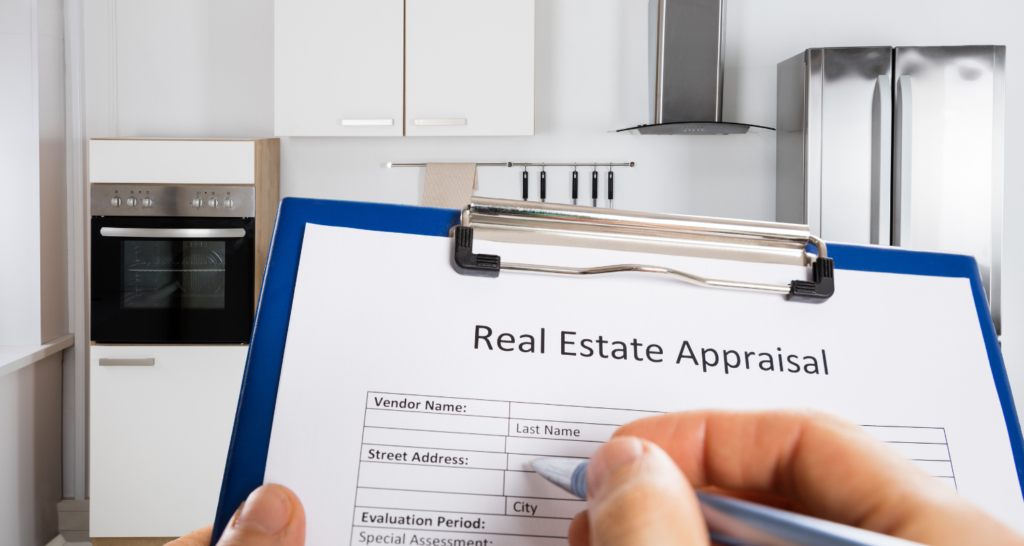
Full appraisal: The appraiser visits the home, inspects the interior and exterior, measures rooms, reviews condition, systems (like HVAC, roof), and compares to recent comparable sales.
-
Exterior only or drive-by appraisal: The appraiser inspects exterior condition and relies more heavily on market data and records for interior features.
-
Desktop appraisal / Automated Valuation Model (AVM): Uses computer models, public records, recent sales data, and sometimes no physical inspection. Some lenders offer HELOCs using this method for speed.
Steps You’ll Encounter
-
Submit your HELOC application: you provide property details and financial info.
-
Lender orders the appraisal (or alternative valuation), and you pay any appraisal fee (if required).
-
The appraiser or valuation model assesses value. If a full inspection is required, you coordinate with the appraiser.
-
The report is delivered to the lender, showing the home’s estimated market value and relevant comparables.
-
The lender calculates your borrowing limit (often a percentage of appraised value minus existing loan balances) and completes the approval process.
-
Once approved and all conditions met, you gain access to the HELOC funds.
Benefits of Prioritizing the Home Appraisal for a HELOC

Better Borrowing Power
A well-documented home appraisal ensures the property is valued accurately and often at a higher level if the condition and comparables are favorable. A higher HA value means more equity, which means higher borrowing capacity. If you skip prep or expect the lender to rely on outdated or low-value information, you may limit your access.
Faster Approval and Fewer Surprises
Understanding the appraisal process ahead of time allows you to prepare your home (repairs, documentation, upgrades) and avoid surprises. If the appraisal comes back lower than you expected, you may get less than you hoped for, or the process may stall. By preparing, you smooth the path to approval.
Lower Cost Long-Term Risk
Because the home is used as collateral, having a correct appraisal protects you from borrowing more than the property safely supports. It helps ensure that your loan is based on actual value. A poor appraisal or insufficient value could lead to higher interest, reduced credit lines, or future problems.
Strategic Decision-Making
An appraisal does more than just determine value for lending. It gives you insight into your home’s market position, identifies possible needed repairs or improvements, and helps you plan for how much you can borrow and how you’ll use the funds. That strategic clarity is a major benefit.
Top HELOC Products and How They Handle the Home Appraisal

Below are five HELOC (or home-equity line) products that illustrate different approaches to the home appraisal component. For each, I explain how they handle appraisal, benefits, use cases, and application.
1. Figure Home Equity Line
Details: The Figure offers a modern HELOC product that, in some cases, uses automated valuation models (AVMs) instead of a traditional full appraisal for qualified borrowers. This can speed up the process and reduce costs.
Benefits: Fast access, less hassle if you qualify under their requirements, nd fewer inspection steps.
Use Case: Homeowners with strong credit, substantial home equity, and who want to access funds quickly for renovation or investment.
How to Apply: Visit the Figure website, complete the online application, and check if you qualify for their streamlined valuation option.
→ Apply at Figure
2. Chase Bank HELOC
Details: Chase explicitly notes that most lenders require a home appraisal early in the HELOC process. The appraisal helps determine current equity and the loan‐to‐value ratio within their underwriting.
Benefits: Traditional process with thorough inspection and documentation, suited to borrowers seeking maximum credit line and standard underwriting.
Use Case: If you want a reliable, well-known lender and are comfortable with a full appraisal.
How to Apply: Go to Chase’s HELOC page, choose the product, and proceed through their application and appraisal ordering process.
→ Apply at Chase
3. Truist Financial HELOC
Details: Truist notes that an approved home valuation is required for a HELOC, and they may offer various valuation methods depending on the property and loan amount.
Benefits: Flexibility in valuation method, so you may qualify for a faster process if your profile aligns.
Use Case: Ideal if you want some speed but still want a strong lender and good credit line options.
How to Apply: Visit Truist’s home equity line product page, complete the form, and check with them which appraisal or valuation method applies.
→ Apply at Truist
4. PNC Financial Services Home Equity Line
Details: emphasizes that your home’s value is a key factor in determining your borrowing limit for their HELOC. They support full appraisal when needed.
Benefits: Reliable infrastructure, well-known lender, good for homeowners with solid equity seeking larger lines.
Use Case: Homeowners with well-maintained homes, good equity, and interest in using funds for a major project or investment.
How to Apply: Visit PNC’s home equity line offering, submit an application, and support documentation as required.
→ Apply at PNC
5. Point Home Equity Platform
Details: Point offers alternatives to the usual home appraisal process, including models that may allow for fewer inspection requirements for those who qualify.
Benefits: Potentially skip full inspection, faster access, modern digital process for eligible borrowers.
Use Case: Homeowners with excellent credit, a recent purchase, or a recent appraisal, and who need funds efficiently.
How to Apply: Visit Point’s website, review their home equity offering, and check if your property and profile qualify for streamlined valuation.
→ Apply at Point
How to Prepare for Your HELOC Home Appraisal
Improve Your Home’s Condition
Make sure your home is clean, maintained, and that major repairs are done before appraisal: fix obvious issues like a damaged roof, faulty plumbing, peeling paint, etc. A well-presented home is more likely to appraise higher.
Document Upgrades and Comparable Sales
If you’ve made improvements (kitchen remodel, new HVAC, added living space), keep receipts and document them. Also, review recent similar home sales in the neighborhood since appraisers will reference comparables.
Understand the Valuation Method that Applies to You
Ask your lender upfront about the type of valuation: full inspection, drive-by, desk/AVM. If your home is unique or in a weaker market, a full appraisal may be required. Plan timeline and cost accordingly.
Anticipate Borrowing Capacity Based on Value
Once you have a likely appraised value, subtract your existing mortgage to estimate potential equity. Then multiply by the lender’s permitted LTV (e.g., 80%) to estimate your borrowing capacity. This gives you realistic expectations.
Avoid Mistakes & Surprises
Don’t schedule major renovations right before the appraisal that aren’t completed. Ensure records and facts are up to date (square footage, property condition, lot size). Confirm that the appraiser has the correct property info.
Use Cases: How the HELOC Home Appraisal Solves Real Problems

Home Renovation or Addition
You want to borrow $60,000 to remodel your kitchen and add a deck. The HELOC home appraisal determines your home’s value so the lender sees you have sufficient equity. If your home appraises strongly, you get the line you need and can proceed with renovation. If you hadn’t prepared your home and it appraised low, you might get less or pay a higher rate.
Debt Consolidation
You carry $45,000 in high-interest credit card debt and want to move it into one lower-interest HELOC. The home appraisal ensures your home’s equity supports that amount. This gives you lower payments and more flexibility.
Emergency or Investment Opportunity
A rental property or business investment opportunity arises quickly. You need access to funds. A lender sees your home’s appraisal and approves a HELOC fast, enabling you to act while the opportunity is still available.
Financial Planning and Liquidity
You want your home to serve as a strategic asset, not just a residence. A strong home appraisal gives you measurable equity and serves as a financial tool. The HELOC secured against that value gives you flexibility and growth potential.
Preventing Undue Risk
By having the home appraised properly before borrowing, you avoid overleveraging, reduce the risk of negative equity, and ensure the HELOC is responsibly sized. The appraisal protects you and the lender.
Final Thoughts
When you’re considering a HELOC, understanding the home appraisal process is essential; it’s not optional in most cases. It directly impacts how much you can borrow, what terms you receive, and how quickly you access funds. By choosing the right lender, preparing your home and documentation, and understanding valuation methods, you position yourself for success. The five products listed above provide options depending on your needs, whether speed, a large amount, or minimal hassle. Use the process wisely, and the appraisal becomes not just a milestone but a strategic tool.
Frequently Asked Questions
Q1: Is a home appraisal always required for a HELOC?
Typically, yes; most lenders require some form of valuation to determine your home’s value and hence your available equity. However, some lenders offer streamlined options that may rely on automated models or recent appraisals for certain borrowers.
Q2: How much does a HELOC home appraisal cost, and how long does it take?
Costs vary depending on property size, typ,, and market; a full inspection appraisal might cost several hundred dollars and take one to three weeks. Desk/AVM valuations can cost less and be faster.
Q3: What happens if my home appraises for less than I expected?
If the appraisal comes in lower than anticipated, your borrowing capacity may shrink, your HELOC interest rate may be higher, or approval may be denied. You can improve your home’s condition or wait for the market value to improve and reapply.